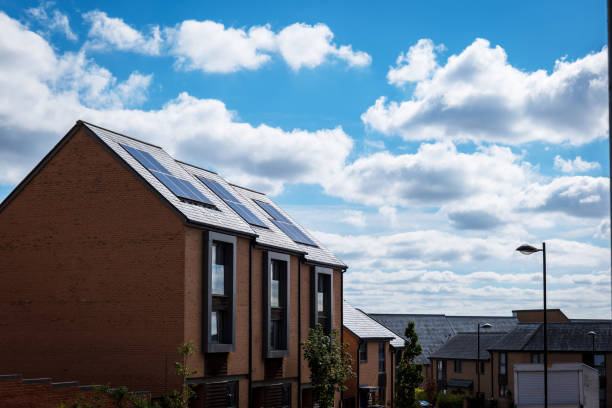
Plug-in solar panels
With new legislation allowing plug-in solar panels to be sold in the UK, some tenants may be wishing to install one in their home. For information on how plug-in solar panels work and what to consider before installing one, see guidance on the Energy Saving Trust’s website here. A list of devices which meet UK standards can be found here.
Tenants wishing to install a panel in their home should seek the landlord’s consent. Landlords are not obliged to give consent, and can attach conditions to consent if giving it. A list of answers to frequently asked questions on plug-in solar panels is set out below:
- My tenant has asked for permission to install a panel. What should I think about when considering whether or not to give consent?
A checklist of considerations can be found on the Energy Saving Trust’s website here.
- Will the tenant be responsible for all of the costs of installing a panel?
The landlord can make this a condition of their consent.
- Who will be responsible for checking that the electrical system in the house is suitable for a panel?
The landlord can make this a condition of their consent.
- If the electrical system is not suitable for a panel, is the landlord responsible for upgrading the system to allow a panel to be installed?
The landlord is only responsible for making sure the electrical system complies with the Repairing Standard i.e. has satisfactory EICR with no C1 or C2 faults. As a condition of giving consent, the landlord can require the tenant to pay for any electrical work not required by the Repairing Standard.
- If the electrical system is damaged by the installation of the panel, who is responsible for the repair?
As with any damaged caused by the tenant, the tenant is responsible for this.
- How will a landlord know the panel is safe to use on their property? Can a landlord refuse on the grounds that the panel appears to be unsafe?
A list of devices which comply with UK standards can be found on the EN Connect Direct website here. Yes, a landlord can refuse permission for a non-compliant device.
- If the panel catches fire and causes damage to the property, who is responsible?
This would probably be covered by the landlord’s buildings insurance but the landlord should check on this with their insurer before giving consent. If extra insurance cover is required for the installation of a panel then the landlord can require the tenant to cover the cost of this as a condition of giving consent.
- At the end of the tenancy who is responsible for removal of the panel and obtaining a report to confirm the electrical system is undamaged?
The landlord can require the tenant to attend to these matters as a condition of their consent.
SAL has added a clause to its suggested additional tenancy terms covering plug-in solar panels. These can be found in the resources section of the SAL website here (you should log into the SAL website before clicking on this link).